Berries
Blueberry Iron Deficiency: Diagnosing and Fixing Chlorosis
Published: October 6, 2026 · Updated: October 12, 2026
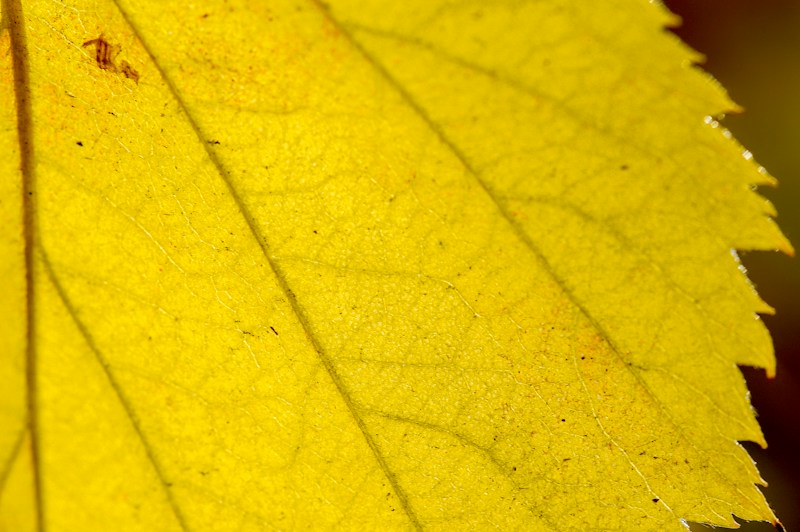
Blueberry is the most pH-sensitive species in the berry family. Its optimum soil pH range — 4.5 to 5.5 — is narrow compared to other fruit crops, and when conditions drift outside it, the most visible consequence is iron deficiency chlorosis: leaves turn yellow while their veins stay green, the plant grows but cannot access the iron it needs to make chlorophyll.
In our field work with blueberry growers, iron chlorosis is one of the most common problems we are asked to diagnose, and it is almost always tied to soil pH that has crept upward — through alkaline irrigation water, lime-rich subsoil intrusion, or simply the gradual loss of soil acidity over time. Understanding the mechanism, recognizing the symptoms early, and applying a two-track correction strategy (pH management plus targeted iron supplementation) makes the difference between a recovering planting and one that declines season after season.
This article covers the full picture: why iron locks up at high pH, how to read the visual symptoms, which tests confirm the diagnosis, and what tools are available to correct it. For growers setting up a new planting, the complementary article on blueberry soil preparation and pH management covers the foundation work that prevents this problem from arising in the first place.
Why Does High Soil pH Lock Out Iron in Blueberries?
The iron that blueberry roots absorb exists in the soil solution primarily as the soluble ferrous ion (Fe²⁺). At pH values below roughly 5.5 — the blueberry’s target range — Fe²⁺ is sufficiently available in the soil solution for roots to take up. As pH climbs above that threshold, iron progressively precipitates as ferric hydroxide [Fe(OH)₃] and iron oxides. By pH 6.5 to 7.0, the pool of plant-available iron in the soil solution has dropped dramatically; the iron is still in the soil, but it is locked in a form roots cannot use.
There is a second compounding mechanism specific to blueberry. The root system of blueberry relies heavily on ericoid mycorrhizal fungi — a symbiotic partnership that dramatically extends the root’s effective surface area and nutrient-scavenging capacity. These fungi are adapted to acidic conditions and are suppressed when soil pH rises. When pH drifts above 5.5, mycorrhizal activity diminishes, reducing the plant’s ability to absorb iron and other micronutrients through this channel as well. The result is a double iron shortage: less soluble iron available and a less effective uptake system to collect what remains.
This is why chlorosis in blueberry almost always points first at soil pH. Unlike crops with a wider pH tolerance, blueberry has no practical workaround to high-pH iron lockout other than bringing the pH back down or providing iron in a chelated form that bypasses the precipitation problem.
How Do You Identify Iron Deficiency Chlorosis in the Field?
The visual pattern of iron chlorosis is distinctive once you know what to look for. The key diagnostic feature is interveinal chlorosis on young tissue: the leaf blade turns yellow or pale yellow-green while the veins remain noticeably dark green. This contrast between yellow tissue and green veins is the hallmark of iron (or manganese) deficiency rather than nitrogen deficiency, which causes a more uniform pale green or yellowing starting from older leaves.
Where to look first: Iron chlorosis in blueberry always starts on the youngest growth — the flush of new shoots emerging at branch tips. Older leaves from previous seasons may still look relatively green even when new growth is severely affected. If you notice yellowing starting from the bottom of the plant and progressing upward, or on older leaves rather than new ones, iron deficiency is less likely and other causes (nitrogen deficiency, root damage, waterlogging) should be investigated.
Severity staging: In mild cases you may see only a slight lightening of the leaf color on new growth, easily missed in the field. In moderate cases the interveinal pattern is clear: pale yellow tissue, green veins. In severe cases the leaves become nearly white or bright yellow with only the main midrib visibly green, and growth is significantly stunted.
Seasonal timing: Symptoms are most pronounced during active growth flushes — early spring when new shoots are expanding rapidly, and again during any secondary summer flush. During hot dry spells the symptoms may appear to fluctuate as soil moisture and temperature affect iron solubility and root activity.
Distinguishing from other chloroses: Manganese deficiency produces a very similar interveinal pattern, but it tends to be more pronounced on mid-canopy leaves rather than the newest tip growth. Virus-related mosaic or ring-spot diseases produce irregular, non-uniform color patterns that do not follow the clean vein/inter-vein contrast of a nutrient deficiency. Sulfur deficiency causes a more uniform pale green color. When in doubt, leaf tissue analysis is the definitive test.
How Do You Confirm the Diagnosis With Tests?
Visual symptoms narrow the likely cause significantly, but confirmation requires two types of analysis used together.
Soil pH measurement: The most accessible first step. Taking soil samples from multiple locations across the planting block — including areas where symptom-bearing plants are concentrated — and measuring pH with a calibrated meter or through a laboratory gives the pH map you need. A result consistently above 5.5, and particularly above 6.0, provides strong support for a pH-driven iron lockout. Single-point measurements can be misleading in a variable field, so sampling multiple zones is worth the effort.
Leaf tissue analysis: This confirms whether the plant is actually deficient in iron at the tissue level. A laboratory measures iron (and other micronutrients such as manganese, zinc, and boron) in a leaf sample and compares the result against reference sufficiency ranges for blueberry. Typical sufficiency thresholds for iron in blueberry leaf tissue are in the range of approximately 60–100 ppm (mg/kg dry weight), though the reference values vary by laboratory and should be interpreted against the lab’s own standards rather than generic tables.
The combination of high soil pH and low tissue iron confirms the diagnosis clearly. If soil pH is high but tissue iron is within normal range, the cause of chlorosis may lie elsewhere — root damage, waterlogging, or another nutrient interaction. This is why taking both measurements matters.
For guidance on reading the full soil analysis report — including organic matter, CEC, and macro and micronutrient levels — the berry soil test interpretation guide covers the key parameters in detail.
How Does Acidifying Fertilizer Manage pH Over Time?
Correcting the root cause of iron chlorosis means bringing soil pH back into the 4.5–5.5 range and keeping it there. Two main tools accomplish this.
Ammonium sulfate [(NH₄)₂SO₄]: This is both an acidifying nitrogen source and a practical management tool for blueberry. As ammonium nitrifies in the soil, hydrogen ions are released, gradually lowering pH. The effect is relatively fast compared to elemental sulfur, and the nitrogen content meets the plant’s needs at the same time. For this reason ammonium sulfate or ammonium sulfate–based fertilizer blends are the standard nitrogen source recommendation for blueberry systems. Application rates and frequency must be calibrated to soil analysis and plant age — excess rates risk over-acidification and ammonium toxicity. How to split that dose across the season’s phenological stages is covered in our blueberry nitrogen fertilization timing guide.
Elemental sulfur (S): Soil bacteria oxidize elemental sulfur to sulfuric acid, which acidifies the soil progressively. The process is entirely biological, so its rate depends on soil temperature, moisture, and microbial activity. Effects typically take months to become measurable, making elemental sulfur most appropriate for pre-plant pH correction or long-term adjustment in established plantings rather than as an emergency fix. Split applications — smaller amounts applied more than once — are preferable to a single large dose, which can harm soil biology.
Using both tools in combination is a practical approach when pH has risen significantly: ammonium sulfate provides ongoing seasonal acidification through the fertility program, while periodic elemental sulfur applications deliver deeper pH correction between growing seasons. Neither replaces the other.
When and How Should Chelated Iron Be Used?
Chelated iron products bind the ferrous or ferric ion to an organic chelating agent that keeps iron soluble and plant-available even at higher pH values. They are a useful bridge — providing rapid iron supply while longer-term pH correction takes hold — but they are not a permanent solution.
Choosing the right chelate form: The stability of different chelate forms varies significantly with soil pH:
- Fe-EDTA: Effective in the low-to-moderate pH range (roughly 5.0–6.5); breaks down and releases iron in poorly available forms above that range.
- Fe-DTPA: Somewhat more stable than EDTA; effective up to approximately pH 7.0.
- Fe-EDDHA: Remains stable at pH 6.5–9.0 and is the preferred form for high-pH and calcareous soils. It is more expensive but far more effective when soil pH is above 6.5.
Selecting the wrong chelate form for your soil pH level is a common and costly mistake. Applying Fe-EDTA to a soil at pH 7.5 will largely fail; Fe-EDDHA under the same conditions will deliver meaningful results.
Application methods:
- Foliar sprays: Quick response on new growth — visible improvement typically within two to four weeks. Useful during active chlorosis episodes for rapid triage. Apply in the early morning or late evening to avoid heat stress; do not apply to drought-stressed plants. Repeat applications may be needed through the growing season.
- Soil or drip-irrigation application: Slower but more systemic. Chelated iron applied through a well-maintained drip system reaches the root zone gradually and supports steady uptake. This approach works best when pH is being managed concurrently, so the chelate is not fighting an ever-worsening pH environment.
The important limitation to keep in mind is that chelated iron does not change soil pH. If pH management is neglected, chelated iron becomes an indefinite recurring cost rather than a corrective measure.
What Are the Most Common Mistakes to Avoid?
Several recurring errors show up in blueberry orchards struggling with chlorosis.
Using non-chelated iron sulfate as a soil application: Iron sulfate (FeSO₄) can provide temporary relief when applied as a foliar spray, but applied to soil at high pH it oxidizes and precipitates quickly, delivering little benefit to roots. Chelated forms are substantially more effective as soil applications in high-pH conditions.
Treating symptoms without addressing pH: Applying chelated iron every year while soil pH continues to rise is an increasingly expensive holding pattern. The root cause — elevated pH — remains, and the plant’s ability to perform declines season by season regardless of iron supplementation.
Ignoring drainage and irrigation management: Waterlogged soil creates anaerobic conditions that disrupt iron chemistry and damage roots. Even adequate iron supplementation cannot fully compensate if roots are impaired by poor drainage or over-irrigation. A well-designed drip irrigation system calibrated to avoid oversaturation is part of the overall health strategy.
Expecting yellowed leaves to recover: Once a leaf has developed chlorosis, its chloroplasts do not regenerate. Treatment corrects new growth, not existing affected leaves. Understanding this sets realistic expectations and helps growers assess whether the corrective program is working by watching the color of newly expanding growth rather than waiting for old leaves to green up.
What Is the Bottom Line on Managing Blueberry Iron Chlorosis?
Iron deficiency chlorosis in blueberry is, in most cases, a preventable and manageable condition. The diagnosis rests on two pillars — soil pH measurement and leaf tissue analysis — used together. Correction requires two parallel tracks: long-term pH reduction through acidifying fertilizers, and targeted chelated iron supplementation timed to periods of active chlorosis. Matching the chelate form to soil pH is critical for product efficacy.
In our field experience, growers who sustain consistent pH monitoring — at least once a year, more often in the first few years of an orchard — and respond promptly when pH begins to drift upward rarely face severe chlorosis episodes. The investment in annual soil testing and a steady acidification program pays back many times over in reduced iron supplementation costs and healthier, more productive plants.
Frequently asked questions
Why does high soil pH cause iron chlorosis in blueberries?
Above pH 5.5, iron in the soil solution shifts from soluble Fe²⁺ to insoluble hydroxide and oxide compounds that blueberry roots cannot absorb. Additionally, the ericoid mycorrhizal fungi that boost nutrient uptake in blueberries are suppressed at higher pH, compounding the iron lockout. Both mechanisms together explain why chlorosis develops quickly once pH drifts out of the 4.5–5.5 optimum range.
How do I tell iron deficiency chlorosis apart from manganese deficiency?
Iron deficiency chlorosis starts on the youngest (newest) leaves: the tissue between veins turns yellow while the veins stay visibly green. Manganese deficiency looks similar but tends to appear more prominently on mid-canopy leaves rather than the newest growth. A leaf tissue analysis is the most reliable way to distinguish them, as it measures both elements in the plant directly.
How quickly does chelated iron work?
Foliar (leaf spray) applications typically show visible improvement on newly emerging leaves within two to four weeks; already-yellowed leaves do not green up. Soil or drip-irrigation applications work more slowly and may take four to eight weeks depending on soil conditions and region. Keep in mind that chelated iron does not lower soil pH — acidification must be managed separately.
Should I use ammonium sulfate or elemental sulfur for acidification?
The two work by different mechanisms and timescales. Ammonium sulfate is an acidifying nitrogen fertilizer that releases hydrogen ions as it nitrifies in the soil; its effect is relatively fast. Elemental sulfur is converted to sulfuric acid by soil bacteria — a slow process that can take months — but delivers more sustained pH reduction. Using both together is a common approach when pH needs significant correction.
Can the plant fully recover from iron chlorosis?
Existing yellowed leaves will not turn green again, but new growth emerging after pH correction and iron supplementation will be normal in color. With consistent pH management over several seasons, the plant returns to healthy productivity. Severe or prolonged chlorosis can cause lasting yield reduction, which is why early diagnosis matters.
Get consultancy for berries
A program tailored to your field, on-site trials and grower training. Message on WhatsApp for a first consultation.
Author
Ramazan Yıldırım
Senior Agricultural Engineer · Licensed to issue plant-protection prescriptions (Turkish Ministry of Agriculture)
Over 20 years of field experience advising growers across Türkiye and the Turkic states; founder of PR Tarım A.Ş. and Technical Director at Fernabio.
About Ramazan Yıldırım →