International Agriculture
Turkmenistan Agricultural Inputs Market Overview
Published: October 14, 2026
What structural factors shape the Turkmenistan agricultural market?
Turkmenistan is a Central Asian country with a hydrocarbon-rich economy where agriculture nonetheless employs a significant share of the rural population and occupies a strategic position in state policy. This policy dimension distinguishes Turkmenistan from more commercially open markets like Kazakhstan: the government plays a direct and ongoing role in input procurement, production quotas, and crop priorities, most visibly for cotton and wheat.
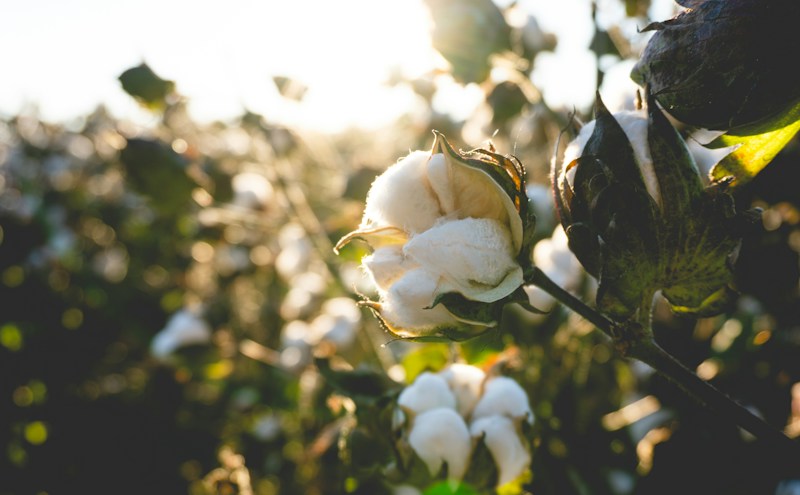
Cotton retains its historical status as a strategic export crop. Mandatory cultivation quotas and state procurement have shaped the sector for decades, creating a production landscape that is large in area but heavily regulated. Wheat is the other pillar: national food security objectives drive extensive government support, including subsidised fertiliser and certified seed distribution channelled through state agencies.
Alongside these two dominant crops, a private horticultural sector — vegetables, melons, watermelons, and some viticulture — operates on a smaller scale, particularly around Ashgabat and in the Mary and Lebap regions. This segment is under growing modernisation pressure and represents the most commercially responsive portion of the market for specialised inputs.
Understanding these structural dynamics is the starting point for realistic market planning. The broader international agriculture consultancy framework covers how similar structural differences across markets shape entry strategy.
How do distribution and procurement channels work?
Large-scale input procurement in Turkmenistan — particularly for fertilisers and seeds destined for cotton and wheat programmes — flows primarily through state institutions and authorised national distributors. Foreign suppliers accessing these channels without local partners face significant procedural barriers. For a foreign agricultural input company, a local authorised distributor is not optional but structural.
What to look for in a local partner:
- Existing institutional relationships with state procurement bodies and ministry offices
- Demonstrated experience with import and product registration procedures
- Regional warehousing and logistics infrastructure covering key farming provinces
- Long-term business orientation rather than short-term commission-seeking behaviour
Turkey has an established business presence in Turkmenistan across construction, food, and trading sectors; these networks can sometimes provide introductions to qualified agricultural distribution partners. Turkish trade promotion agencies and the Turkish Embassy’s commercial counsellor office are practical starting points for partner identification.
Which input categories show growing demand?
Irrigation technology leads emerging demand. Water scarcity is an increasingly serious constraint in parts of Turkmenistan, and government policy has shifted toward water-use efficiency. Drip irrigation and sprinkler systems — along with compatible water-soluble fertiliser products for fertigation — are the categories most clearly aligned with both policy direction and farmer economic interest.
Water-soluble fertilisers and fertigation products benefit from drip irrigation system expansion. The shift from bulk broadcast fertiliser application to precision fertigation creates demand for specialised product formulations and the technical training to use them correctly. Pairing product supply with agronomic support is consistently the most effective approach in this category.
Certified high-yielding seeds remain central to both state wheat programmes and the growing private vegetable sector. Hybrid vegetable varieties in particular have an audience among private greenhouse operators near Ashgabat who are already familiar with yield and quality differentials.
Biological crop protection is at an early awareness stage but gaining traction among covered-crop vegetable producers. Demonstrable efficacy and technical field support are prerequisites for adoption in this category.
What does the Turkish linguistic and cultural advantage actually provide?
The mutual intelligibility of Turkish and Turkmen is real and commercially meaningful. Technical training and product demonstrations delivered in or near the local language are understood, trusted, and retained more readily than materials requiring translation or delivered in English or Russian through an interpreter. This is not a marginal advantage — in technical sales contexts it materially affects whether a product recommendation is acted on.
Beyond language, shared cultural frames around agricultural practices, business hospitality norms, and relationship-building approaches reduce friction in what are otherwise slow, trust-dependent sales cycles. Turkish firms familiar with similar dynamics in Uzbekistan or Azerbaijan tend to navigate Turkmenistan more comfortably than competitors from markets with very different commercial cultures.
That said, linguistic proximity is not a substitute for genuine product quality, field performance, and after-sales technical support. In a market where word spreads within farming communities and institutional channels, a failed product introduction can take years to recover from.
What do demonstration and technical training programmes accomplish?
In Turkmenistan, as in every Central Asian agricultural market, purchasing decisions for new inputs are ultimately driven by observed outcomes on known farms, not sales presentations. A demonstration trial with a respected local farmer — showing measurable yield, quality, or cost results under local conditions — accomplishes what no catalogue can.
The elements of an effective demonstration programme:
- Site selection with a credible, respected reference farmer
- Clear pre-trial baseline measurement and outcome documentation
- Technical support throughout the growing season, not just at installation
- Visible documentation of results — photographs, yield records, farmer testimonials
Technical training components built into the sales process increase both adoption speed and long-term customer loyalty, particularly for categories like fertigation and irrigation management that require ongoing agronomic decisions.
What preparation is required before market entry?
Product registration: Plant protection products and fertilisers require formal registration through the relevant Turkmen ministry. Requirements and timelines vary; working with a legal adviser familiar with Turkmenistan’s registration system is strongly advised.
Market intelligence: Price benchmarks, competitor positioning, and state procurement calendar timing are not publicly accessible in the way they might be in open markets. Direct conversations with the Turkish commercial attaché office in Ashgabat and sector peers with in-market experience are more useful than secondary reports.
Horizon-setting: Turkmenistan is a slow-burn market. First-year volume targets should be modest and programme-oriented. The firms that have built durable market positions in comparable markets — including Uzbekistan — did so through multi-year commitment to demonstration, partnership, and technical service rather than short-term sales campaigns.
Frequently asked questions
What are the dominant crops in Turkmenistan?
Cotton is the historic cornerstone of Turkmenistan's agricultural exports and retains strategic status in government policy. Wheat is a national food-security priority supported by state procurement and subsidised inputs. Vegetables, melons, watermelons, and viticulture exist in smaller private production segments, particularly near Ashgabat and in Lebap province.
What advantage do Turkish companies have in this market?
The mutual intelligibility of Turkish and Turkmen, shared cultural references, and an established Turkey-Turkmenistan business history give Turkish firms a communication and trust-building advantage over competitors from Europe or China. Technical materials adapted to the local language signal commitment rather than mere transactional interest.
Which input categories show growing demand?
Irrigation technology (drip and sprinkler systems), water-soluble fertilisers and fertigation products, high-yielding certified seeds, and biopesticides are the categories showing upward demand. The government's push for irrigated water-use efficiency drives technology interest; private horticulture adoption creates demand for specialised inputs.
Why is a local partner essential?
Distribution channels in Turkmenistan are heavily state-structured; reaching end-users directly without a local authorised distributor is impractical for most foreign suppliers. A credible local partner must have institutional relationships with procurement entities, experience navigating product registration, and regional logistics capacity.
How does product registration work?
Fertilisers and plant protection products require registration through the relevant ministry before import and sale. Documentation requirements and processing times vary by product category and change periodically; working with a local legal adviser or experienced partner with registration experience is strongly recommended.
How effective are demonstration trials in this market?
Market adoption in Turkmenistan, as in most Central Asian countries, is driven primarily by observed on-farm results rather than product catalogues or presentations. A small, well-documented demonstration trial with a reference farmer typically accelerates market uptake far more than any equivalent promotional spend.
How does Turkmenistan compare with Kazakhstan or Azerbaijan for market entry?
Turkmenistan operates under stronger state control than Kazakhstan or Azerbaijan. Market opening is slower, and direct commercial relationships with end-users are more constrained. However, competition from other foreign suppliers is correspondingly lower — firms that invest patiently in relationship-building and demonstration work can establish durable positions before markets become crowded.
Get consultancy for international agriculture
A program tailored to your field, on-site trials and grower training. Message on WhatsApp for a first consultation.
Author
Ramazan Yıldırım
Senior Agricultural Engineer · Licensed to issue plant-protection prescriptions (Turkish Ministry of Agriculture)
Over 20 years of field experience advising growers across Türkiye and the Turkic states; founder of PR Tarım A.Ş. and Technical Director at Fernabio.
About Ramazan Yıldırım →